

How Paul Hamilton Turned Setbacks Into Skyways
Complied By Mason Brito and Lexi Ropp
In 1903, the Wright brothers proved powered human flight was possible. More than a century later, at the Carson City Airport, Paul Hamilton carries that same spirit — not just as a pilot, but as an entrepreneur who refused to stay grounded.
Hamilton’s obsession with flight started early. At just 15 years old, he built his first hang glider. While other teens were earning driver’s licenses, he was studying lift, drag, and balance. Flying wasn’t a hobby. It was a calling. His goal was clear: become an Air Force fighter pilot.
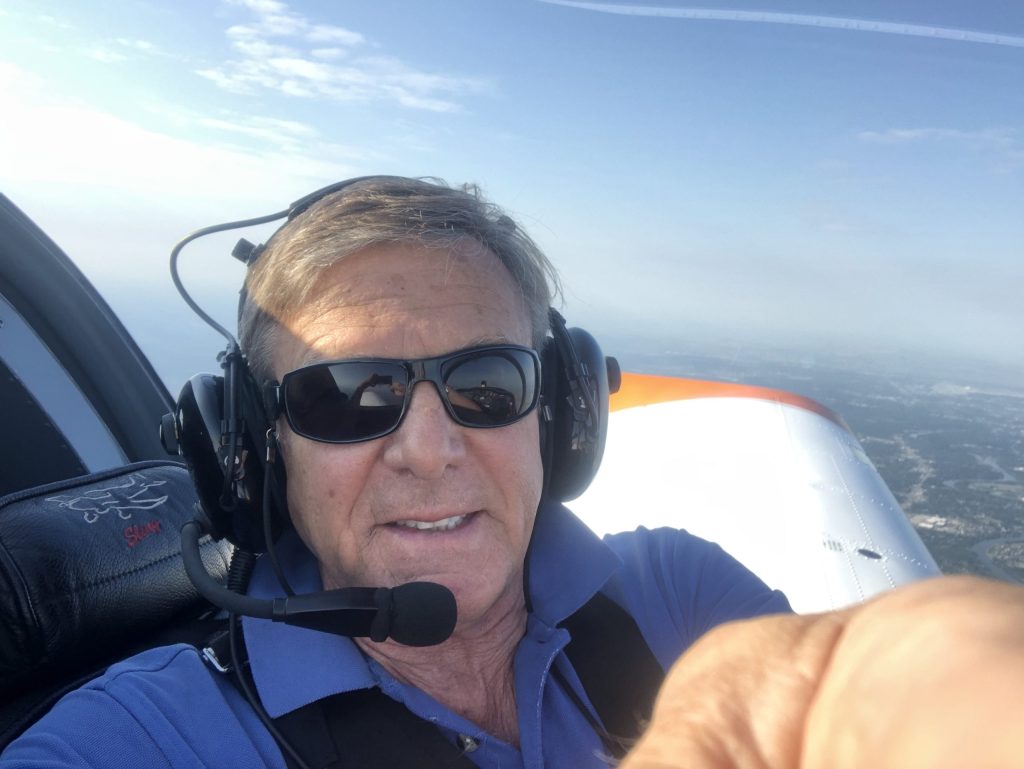
“Every setback forced him to refine his direction rather than abandon it.”
But days before leaving for basic training, a hang gliding accident left him injured. When he reported for duty, medical staff deemed him unfit to serve. Frustrated, Hamilton argued his case — and his defiance ultimately led to his permanent removal from the program. What felt like devastation at 18 would later feel like direction.
Instead of giving up on aviation, Hamilton pivoted. He enrolled in community college and pursued engineering, a natural fit for someone who had already been building aircraft as a teenager. After graduating, he worked in the aviation industry, including a role with Lear Fan. On paper, he had stability. But he never stopped chasing flight.
On the side, he built powered hang gliders and created instructional safety DVDs to share his knowledge. Then the industry shifted. When his division faced bankruptcy, Hamilton’s engineering career abruptly ended. He adapted again, moving into safety consulting to stay connected to aviation.
Then came September 11, 2001. As the airline industry reeled, Hamilton’s income disappeared overnight. “All of my income went to zero,” he recalls.
A friend offered him a fresh start in Hawaii, flying tourists in powered hang gliders. In just five months, Hamilton logged 24,000 miles in the air — nearly the circumference of the Earth. It was steady work, but it wasn’t ownership.
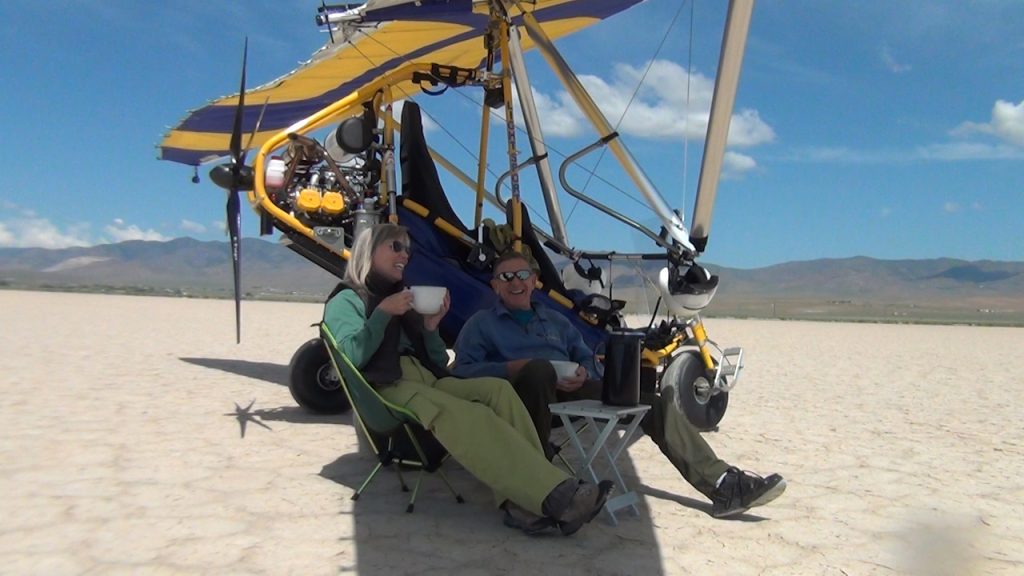
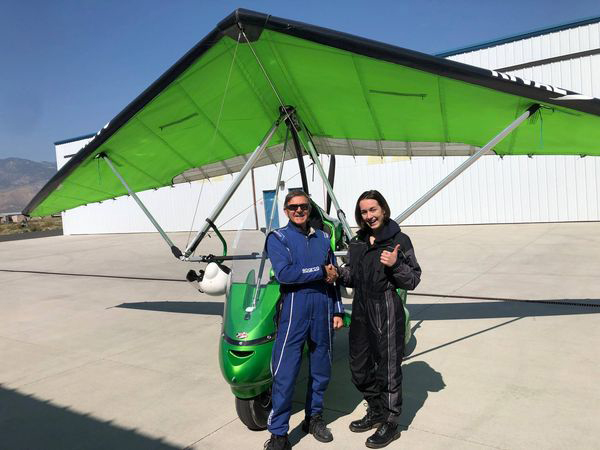
Eventually, he and his wife returned to Nevada with a bigger vision. Near Lake Tahoe and the Carson City Airport, Hamilton launched his own venture offering hang glider experiences and flight instruction. He expanded into airplanes, earned additional certifications, and built a small but respected flight school.
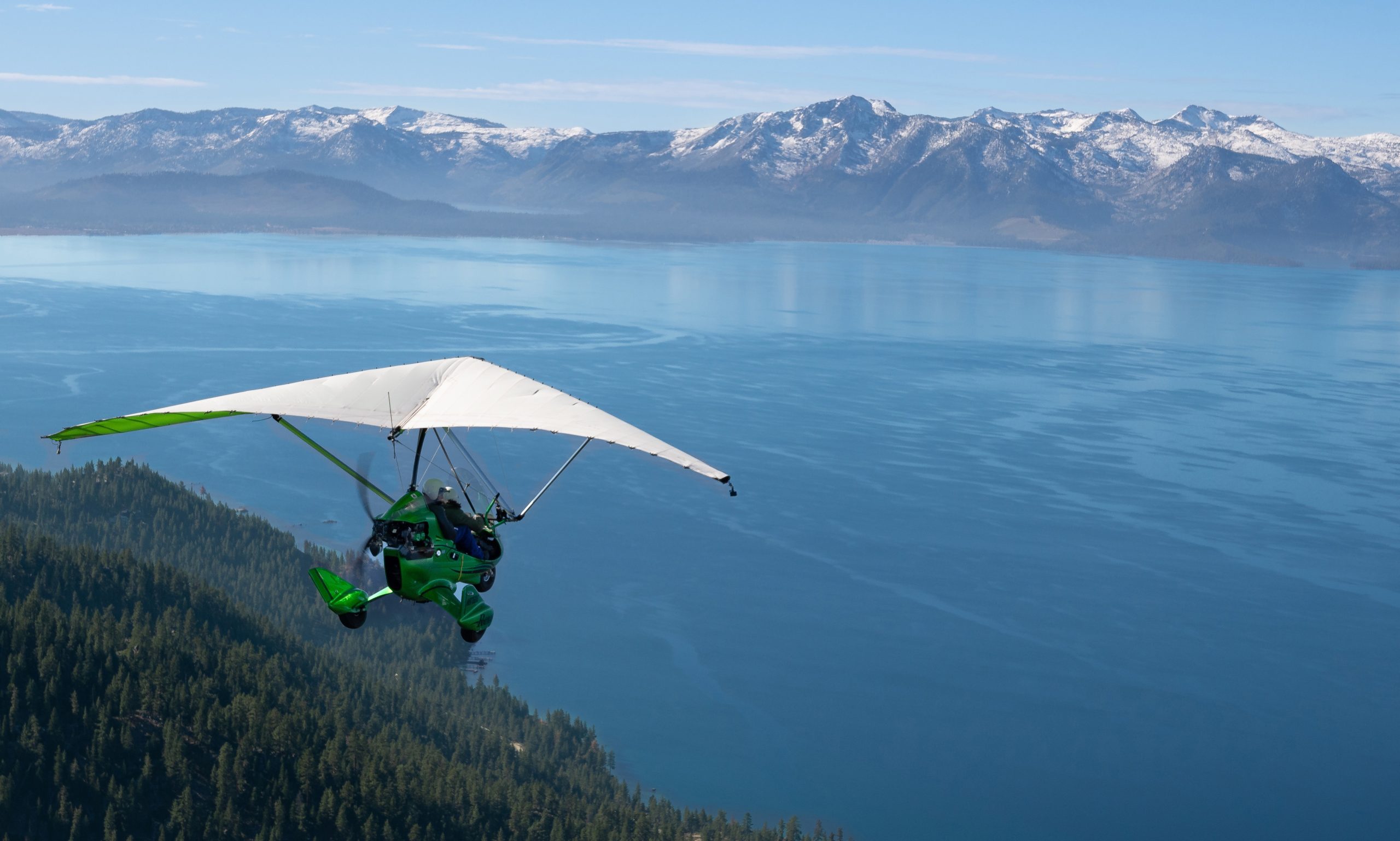
Looking back, Hamilton doesn’t sugarcoat the journey. “Look at all the things I tried to do that went bad,” he says. Yet every setback forced him to refine his direction rather than abandon it. Being rejected from the Air Force, losing engineering jobs, watching his income vanish after 9/11 — each obstacle demanded a pivot.
That ability to adjust course is what ultimately gave him something greater than his original dream. Instead of flying for someone else, he built a life where he teaches others to fly. Today, Hamilton owns multiple powered hang gliders, two airplanes, and a business rooted in the same fascination that began at 15. His story is not about a straight ascent. It’s about turbulence, forced landings, and the courage to take off again.

In aviation — and in entrepreneurship — success doesn’t belong to those who avoid failure. It belongs to those who keep seeking the sky.